
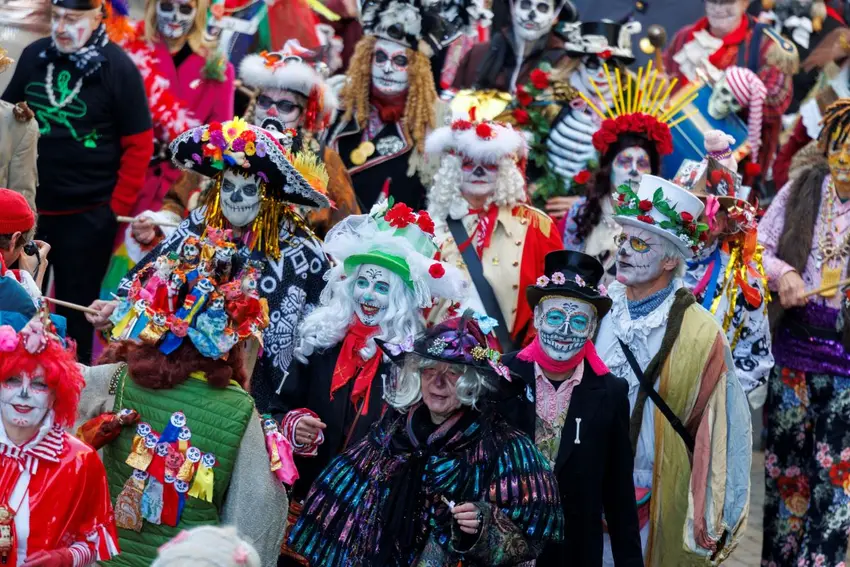
From costume parties to ice skating and jazz festivals, February in Germany is a month of spectacle and celebration.
Two dates stand out in the weeks to come: Valentine’s Day on the 14th, which is growing in popularity in Germany, and Rose Monday (Rosenmontag) just two days later, marking the peak of Carnival season.
Carnival (Karneval), also called Fasching in some regions, is a tradition with deep roots in German culture and is a time when cities erupt in parades and costumes.
So whether you are seeking romance, revelry or simply a new experience, February’s calendar is bursting with possibilities.
Daily in February: Bubble Planet Berlin, Arena Berlin
Step into a dreamlike world at Bubble Planet Berlin, where twelve themed rooms invite you to play, explore and take unforgettable photos.
Bubble Planet opened in December to rave reviews and runs until March 29th.
From giant soap bubble forests to a zero-gravity ball pit and immersive VR experiences, the exhibition is designed to provide a joyful escape from winter’s chill.
Tickets start from around €20 per person, with some discounts available for children and families. Advance booking is highly recommended, as sessions often sell out.
February 1st to February 8th: Tegernsee Valley Montgolfiade, Bavaria
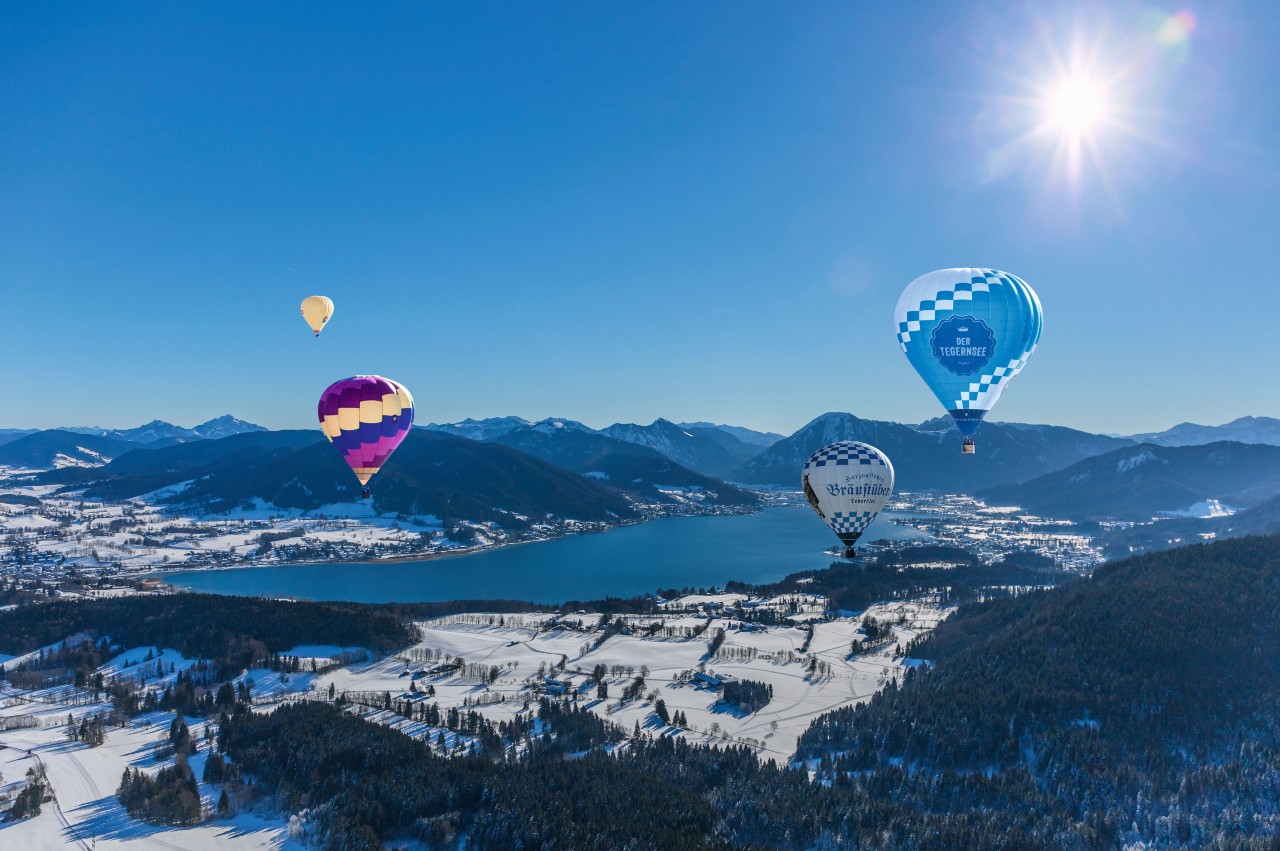
This iconic winter festival sees dozens of colourful hot air balloons rise above Lake Tegernsee, set against the snowy Alps.
The highlight is the “Balloon Glow” event on February 6th, when illuminated balloons light up the night sky.
Visitors to the event can enjoy mulled wine and local food, and soak up the festive atmosphere. Those with relatively deep pockets can also books rides in the balloons. Either way the spectacle is breath-taking – and perfect for photographers and nature lovers.
READ ALSO: 10 regional dishes you have to try while visiting Bavaria
February 12th to 22nd: Berlinale – Berlin International Film Festival
The Berlinale, officially known as the Berlin International Film Festival, is one of the world’s most prestigious and influential film festivals, drawing filmmakers, stars and cinephiles from across the globe.
This year, the 76th edition will take place from February 12th to 22nd. The festival is centred around Potsdamer Platz, but screenings and events are also held at venues across Berlin, including the Berlinale Palast and Zoo Palast.
A particular highlight of the Berlinale is the opportunity for the public to attend world and European premieres, often with the filmmakers and stars present for Q&A sessions.
Tickets go on sale three days before each screening, typically priced at around €15 – which represents good value for money for a trip to the cinema which could well feature red carpets, pop-up events and appearances by the directors and actors.
READ ALSO: 10 must-see films and series to help you improve your German
February 13th to 14th: Feel.jazz Festival, Hamburg
The Feel.jazz Festival is a highlight of Hamburg’s winter cultural calendar, taking place at legendary venue Hafenklang, renowned for its vibrant atmosphere and riverside location.
The venue’s industrial charm and intimate performance spaces provide the perfect backdrop for a festival that prides itself on multisensory experiences.
The 2026 edition of Feel.jazz runs from 8pm to 4am on both February 13th and 14th, offering nights packed with live music, light art and interactive installations.
READ ALSO: The most popular German language songs of 2025
Ten bands will perform across the two nights, representing a mix of established acts and emerging talents.
One welcome feature of the festival is its “pay what you can” entry policy. While a recommended donation of €25 is suggested at the door, the organisers are committed to keeping the event accessible to all, regardless of budget.
This inclusive approach, combined with the festival’s famously welcoming atmosphere – and popular after parties – helps ensure that everyone feels at home, even newcomers to the jazz scene.
February 14th: Valentine’s Day and One Billion Rising
Valentine’s Day seems to get more popular in Germany with each passing year.
The fact that it falls on a Saturday this year means that restaurants in major cities such as Berlin, Munich and Hamburg are likely to be fully booked well in advance. If you are planning a romantic dinner, it might be a good idea to reserve now or consider alternative ways to celebrate.
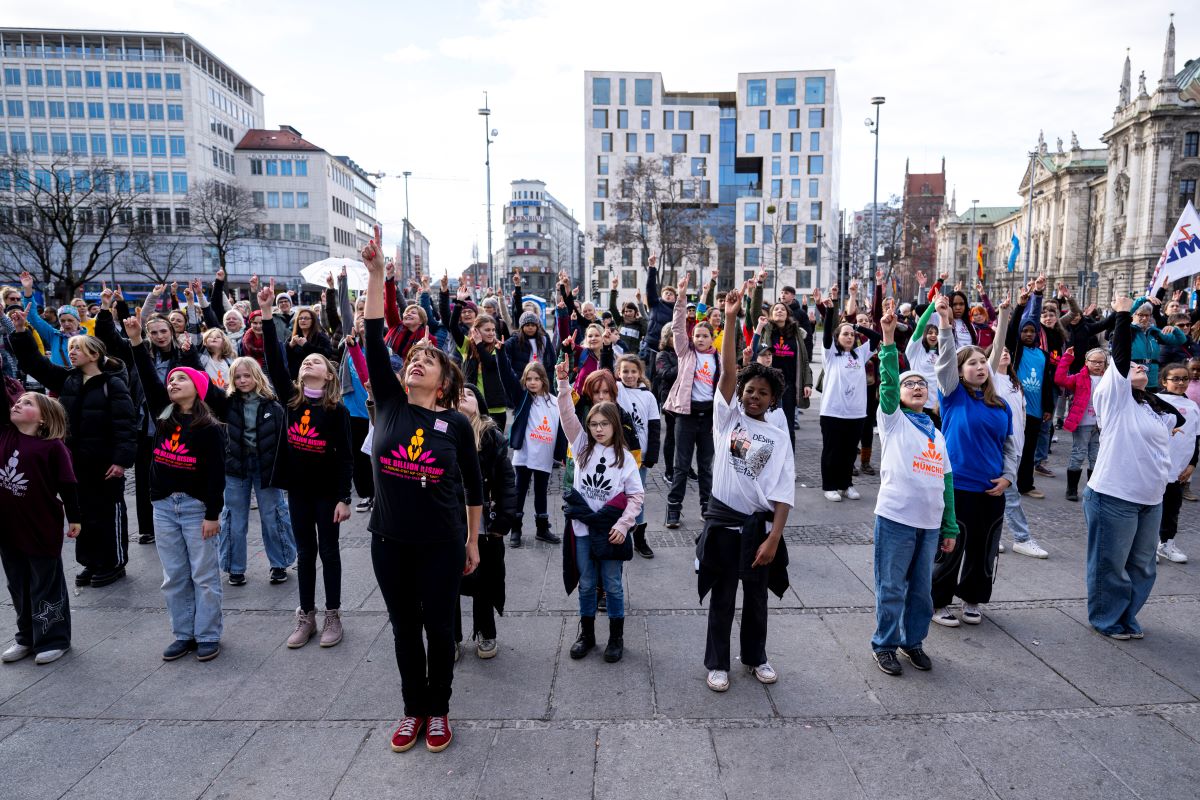
On the same day, One Billion Rising events are planned in mulitple cities across Germany – a powerful public demonstration that brings together people of all backgrounds to dance in solidarity against violence towards women.
One Billion Rising is a global movement that began in 2012, inspired by the staggering statistic that one in three women worldwide will experience violence in their lifetime. The campaign uses dance and music as a universal language to demand an end to violence and promote respect and equality.
The Berlin event, which starts at 4pm at Brandenburg Gate, is free, inclusive and open to all. More details on other events can be found on the website.
February 12th to 18th: Cologne Karneval
Karneval in Germany is a season of revelry that officially begins on November 11th at 11:11 am, but the festivities reach their peak in the week leading up to Lent.
Cologne’s Karneval is the largest and most famous in Germany, drawing millions of visitors each year. The city centre, especially the Old Town and the Heumarkt, transforms into a playground for all ages, with free entry to street events and lots of costumes.
A major highlight is the Rose Monday parade (Rosenmontagszug) on Monday, February 16th this year, a spectacular procession of floats, marching bands, and groups in costumes who throw sweets and treats to the crowds.
Other cities and regions take their celebrations just as seriously. Notable Karneval hotspots include Düsseldorf, Mainz, and Bonn, as well as cities in southern Germany such as Munich and towns in the Black Forest and Swabia.
READ ALSO: What you need to know about celebrating carnival in Germany
February 17th (Shrove Tuesday): Tanz der Marktweiber, Munich
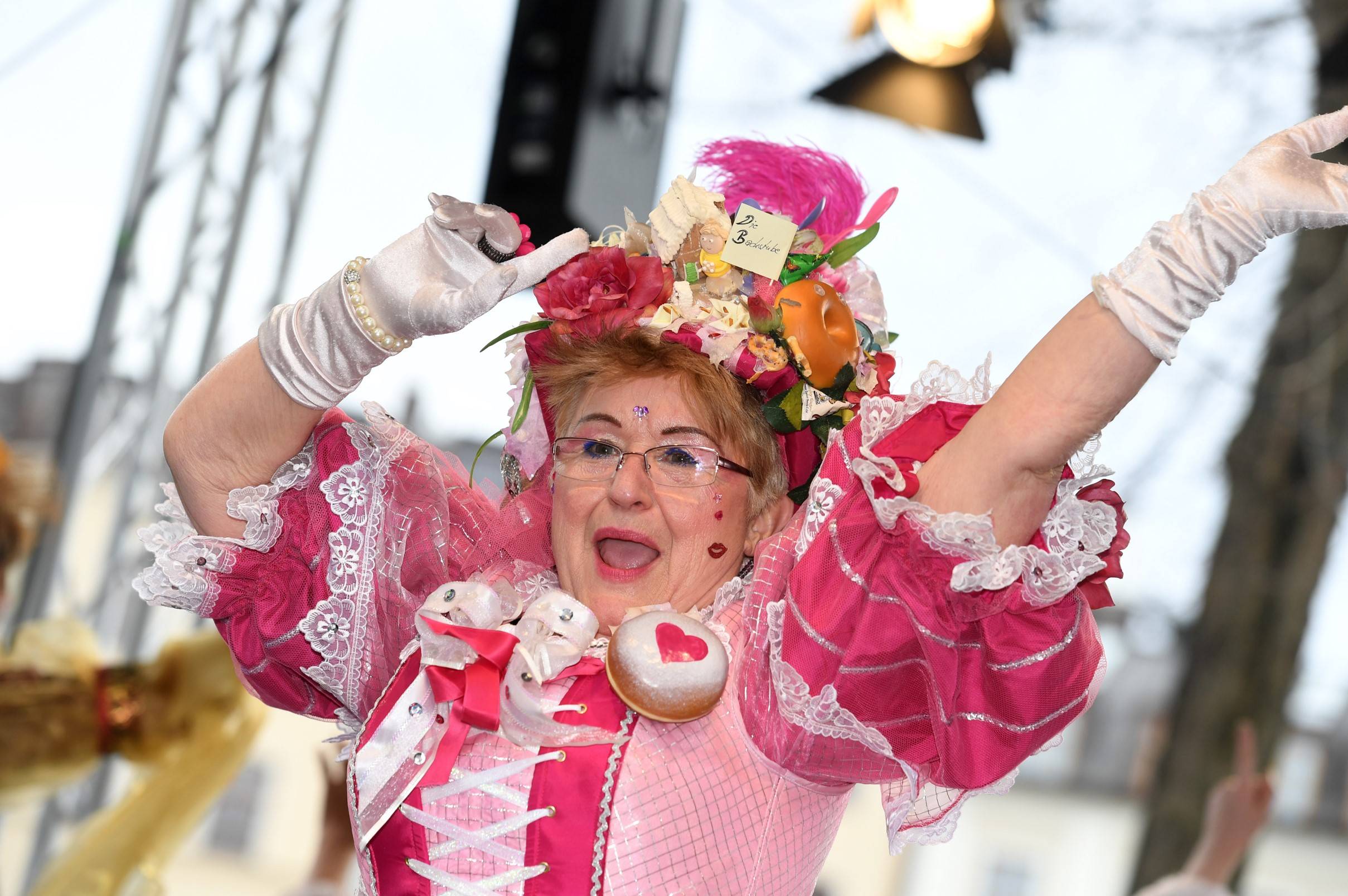
The Tanz der Marktweiber – literally “Dance of the Market Women” – is a beloved Munich tradition that brings a burst of colour and humour to the heart of the Bavarian capital each year.
The event, which is said to date back centuries, features the women who run the Viktualienmarkt’s stalls donning elaborate costumes and performing folk dances on a stage set up in the market square.
The fun begins at 10am. The event is free to attend and often draws large crowds, with maany people staying on to sample Bavarian food and drinks at the market stalls.
All days in February: Leipziger Eistraum, Leipzig
Each winter, and from January 16th to March 1st this year, Leipzig’s central Augustusplatz is transformed into a magical winter wonderland for the Leipziger Eistraum (Leipzig Ice Dream).
At the heart of the festival is one of Germany’s largest ice rinks, offering plenty of space for skaters of all ages and abilities to glide beneath the city’s skyline. Whether you are a seasoned skater or a complete beginner, the rink is welcoming and lively, with skate rental available on site for a small additional fee.
But the Eistraum is about much more than just ice skating. The festival features dedicated curling lanes, a large Ferris wheel and a weekend program of special events and live performances.
Admission to the festival grounds is free. Activities such as skating, curling and the Ferris wheel are individually priced.
READ ALSO: 'Eat for the season' - The verdict on how to survive the German winter
February 21st: Biikebrennen, North Sea coast
The ancient tradition of beacon burning (Biikebrennen) invariably draws crowds along Germany's North Sea coast, with around 60 coastal villages and islands igniting massive bonfires to mark the end of winter.
Visitors can join locals in torchlit processions to fire sites, where towering flames are lit after speeches, followed by feasts of kale (Grünkohl), sausage and punch.
Events span the mainland from Tönning to St. Peter-Ording and islands including Amrum, Föhr, Pellworm, Nordstrand and Sylt (nine locations like List and Westerland).
READ ALSO: Four places in Germany experts say you should visit in 2026
Rooted in pre-Christian rituals to banish winter spirits and ensure fertile harvests, the custom evolved through Christian times, serving alternately as pirate warnings or whaler farewells.
Added to Germany's UNESCO intangible heritage list in 2014, Biikebrennen traditions foster North Frisian identity amid crackling flames – and are well worth a visit.
Comments